
Chapter 6 · 6 of 9
Ready-made period computers — the golden images
Every project starts from a ready-made, verified copy of a period computer — we call these golden images. Here is what that means, what each base carries, and which systems are covered today.
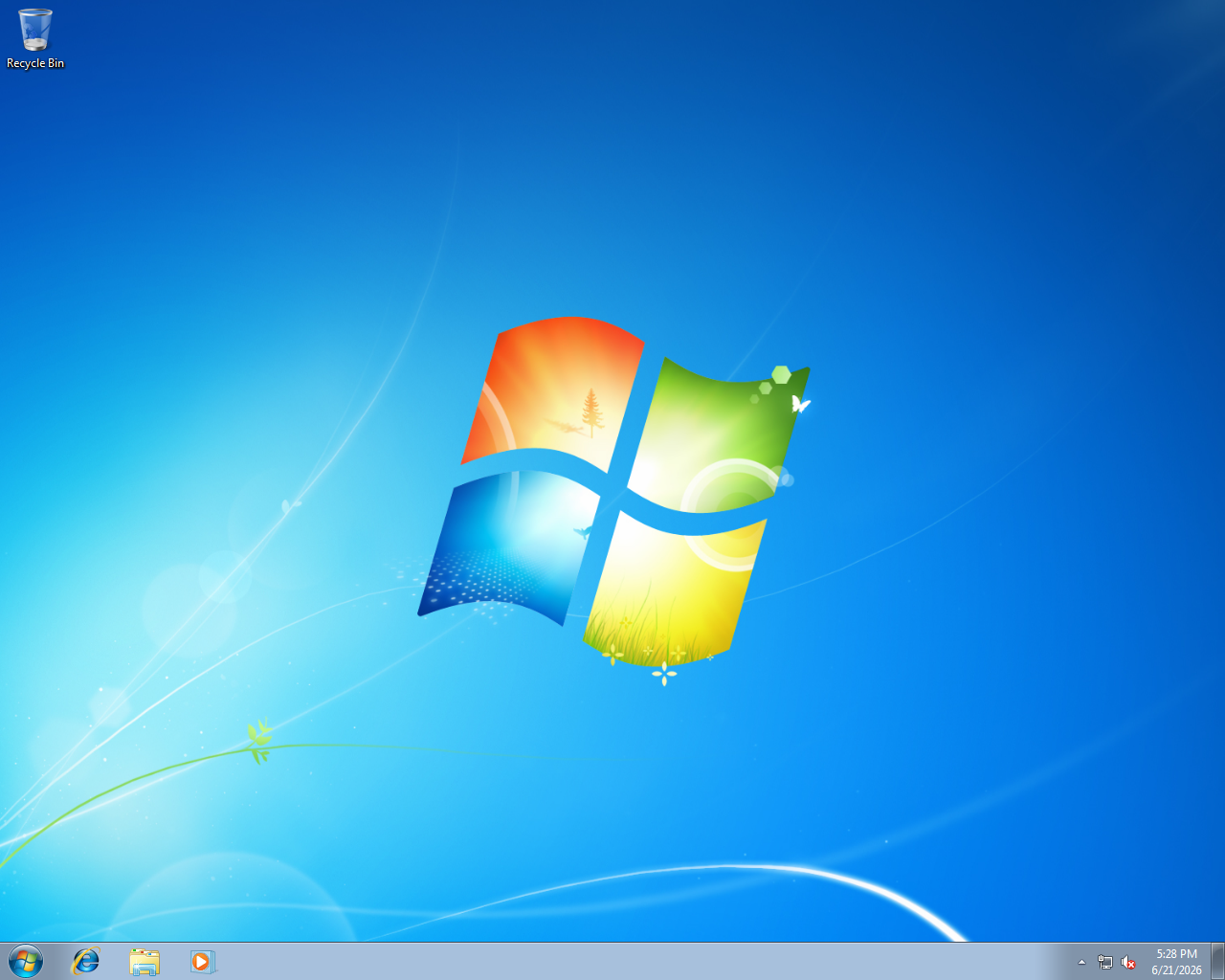
Every research project starts from a ready-made period computer that is known to work. In the workbench these are called golden images (or master images): a sealed, read-only template of a period operating system that has been verified — it boots clean at full resolution, with real accelerated drivers and the period-correct tools of its era. You never edit it — you make instant clones from it.
What “golden” means
- Verified — tested and confirmed to boot and run, with build evidence kept in the repository.
- Reproducible — given period-appropriate emulated hardware, so the image behaves the same on any host and into the future.
- Sealed — read-only; your changes live in a separate copy-on-write layer, never in the master.
Instant clones — copy-on-write
A new VM is a thin layer stacked on the shared master: it reads through to the master for anything it hasn’t changed, and only the changes take space. Creating one is near-instant and nearly free in disk terms, so a whole class can each run their own VM over one master. The real budget is memory and CPU for the VMs switched on at once — a Windows XP guest is comfortable in 1–2 GB.
Operating-system coverage
| Status | Operating systems |
|---|---|
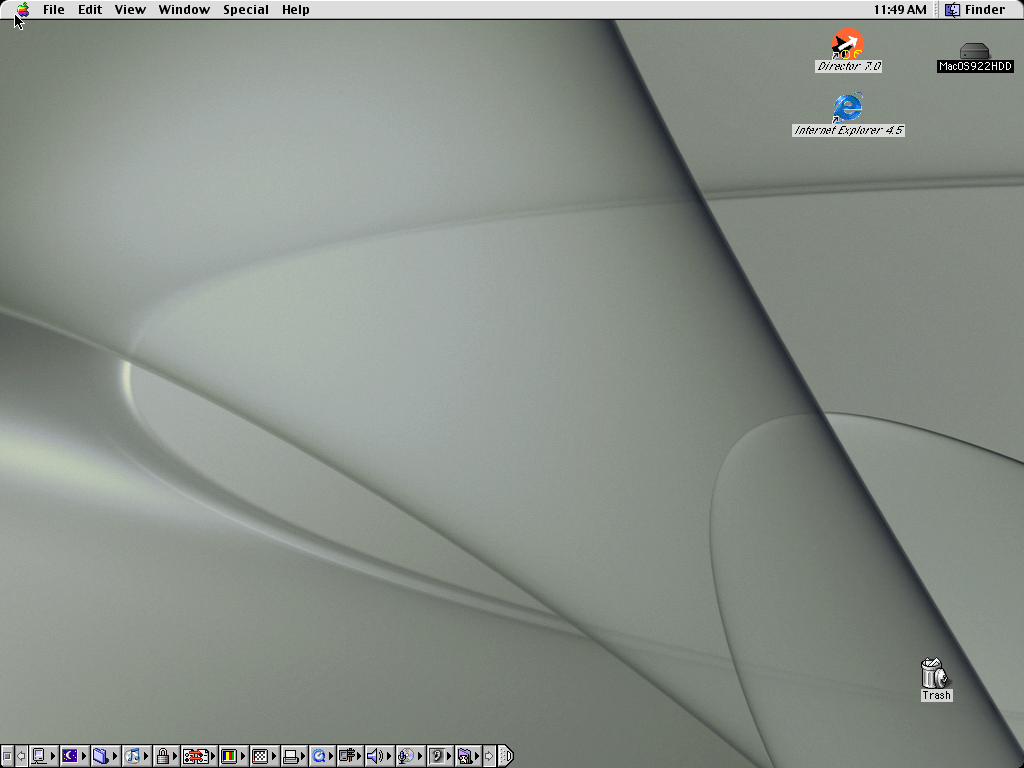
| Works today | Windows 98 SE · Windows 2000 · Windows XP / Server 2003 · Windows 7 · Windows 8.1 · Windows 10 (22H2) · Windows 11 — each with an in-guest agent · Mac OS 9.2.2 (PowerPC), with a MacPython in-guest agent · Mac OS X 10.4 Tiger (PowerPC) · Mac OS X 10.6 Snow Leopard (Intel) |
| In progress | Windows 98 SE period networking (the agent runs; the era network card is being finalised) |
| Maybe later | Windows ME · classic Mac OS 8 / 7.6 and 68k |
Modern Linux needs no sealed base — it runs directly on the host — so the golden bases concentrate on the legacy Windows and Macintosh systems that genuinely need period emulation. The constant principle is period-appropriate hardware; coverage advances as the project does.